Build a Foundation for Healthy Living
Are you looking a lifestyle change, to improve your physical and mental health, reduce stress and gain peace of mind?
Then it is time to develop some healthy habits.
“A habit is persistence in practice.”
Motivation is derived from the Latin word “to move.” Motivation comes from within us. If you make a commitment to yourself to change unhealthy habits to healthy habits it will take persistence and patience. The important thing is making an effort. Adding new behaviors you experience as positive will reinforce and maintain the new behavior
1. Swim to Build Stamina

“No matter how slow you go, you are still lapping everyone on the couch.” — Speedo
Swimming is the best aerobic activity. It keeps the heart rate up building cardiovascular fitness
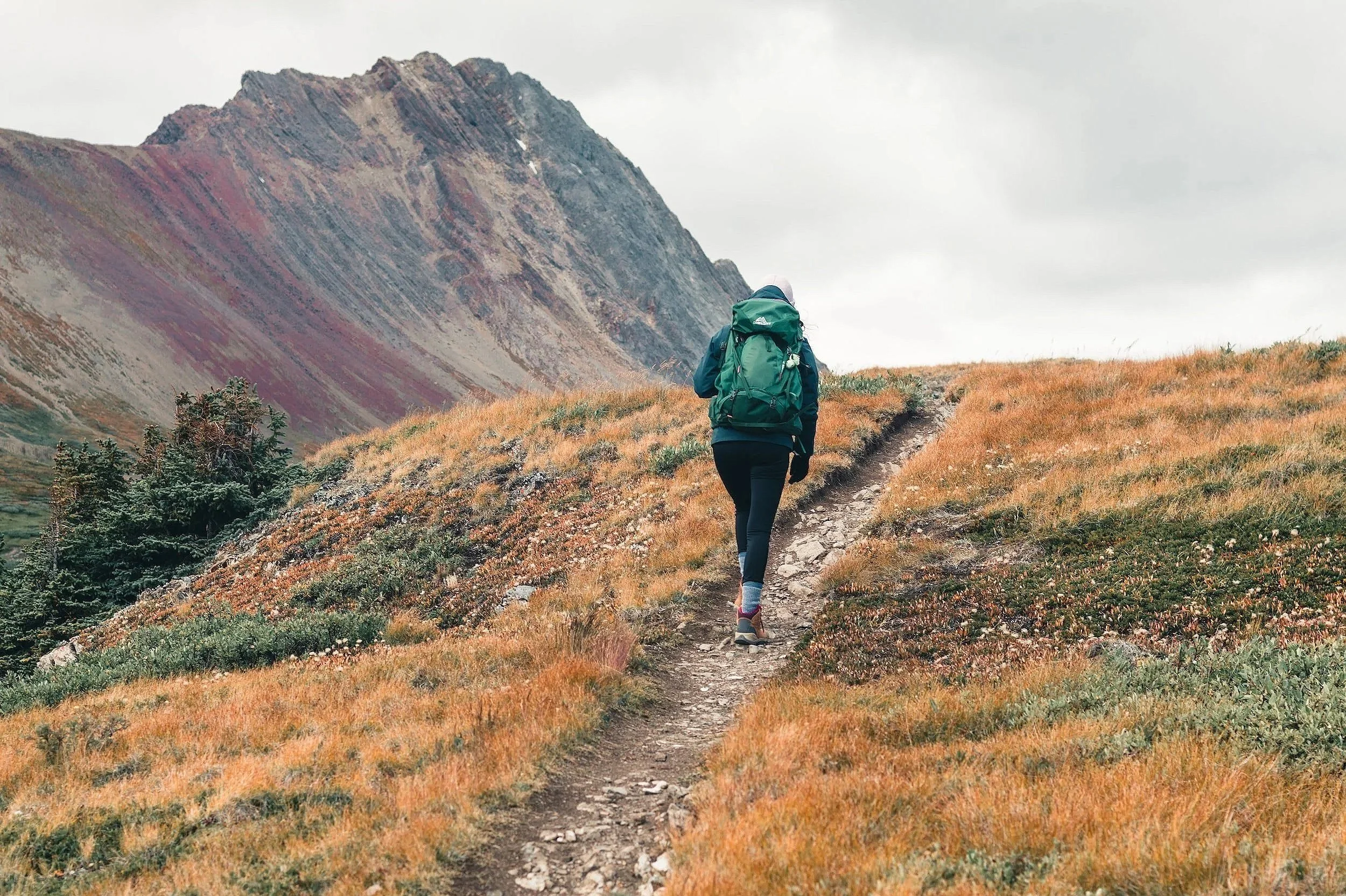
"Hiking can be an effective way to build resilience by fostering perseverance, confidence, adaptability, and stress management. Navigating trails, overcoming physical challenges, and spending time in nature can strengthen both emotional well-being and an individual's ability to cope with life's difficulties."
2. The Many Benefits of Hiking
Hiking has many benefits for physical and mental health. Physical health benefits include:
enhancing muscle strength and bone density
improving cardiovascular
increasing lung capacity
improving sleep quality
building endurance
sustaining energy level
Mental health benefits of hiking include:
communing with natural habitats
focus on being present in the moment
Time spent in nature calms the brain and lifts the mood
Research at Stanford (2015) found that calming the mind reduces the tendency toward negative thought patterns.
Hiking can be a powerful way to build resilience because it naturally develops many of the same skills that help people cope with life's challenges.
3. How Hiking Builds Resilience
1. Learning to tolerate discomfort
Hiking often involves physical exertion, changing weather, steep terrain, fatigue, or sore muscles. Each time you keep going despite discomfort, you strengthen your ability to persevere through difficult situations in other areas of life.
2. Building confidence through accomplishment
Completing a challenging trail or reaching a summit provides tangible evidence that you can set a goal and achieve it. These experiences increase self-efficacy—the belief that you can handle future challenges.
3. Developing problem-solving skills
Trails rarely go exactly as planned. You may encounter obstacles, navigate unfamiliar terrain, adjust to changing conditions, or manage limited resources. Successfully adapting to these situations builds flexibility and confidence in your ability to cope with uncertainty.
4. Practicing patience and persistence
Progress on a hike is often gradual. You learn that meaningful goals are reached one step at a time, reinforcing the value of persistence rather than immediate results.
5. Reducing stress and improving emotional regulation
Spending time in nature has been associated with lower stress levels, improved mood, and reduced rumination. When stress decreases, it becomes easier to think clearly and respond effectively to challenges.
6. Increasing mindfulness and present-moment awareness
Hiking encourages attention to the sights, sounds, and sensations of the natural environment. This focus on the present moment can help reduce anxiety and improve emotional balance.
7. Strengthening social connections
When hiking with others, participants often develop trust, communication skills, and mutual support. Strong social connections are among the most important protective factors for resilience.
4. Bike to Reduce Stress
Regular aerobic exercise like biking can reduce the risk of chronic illness
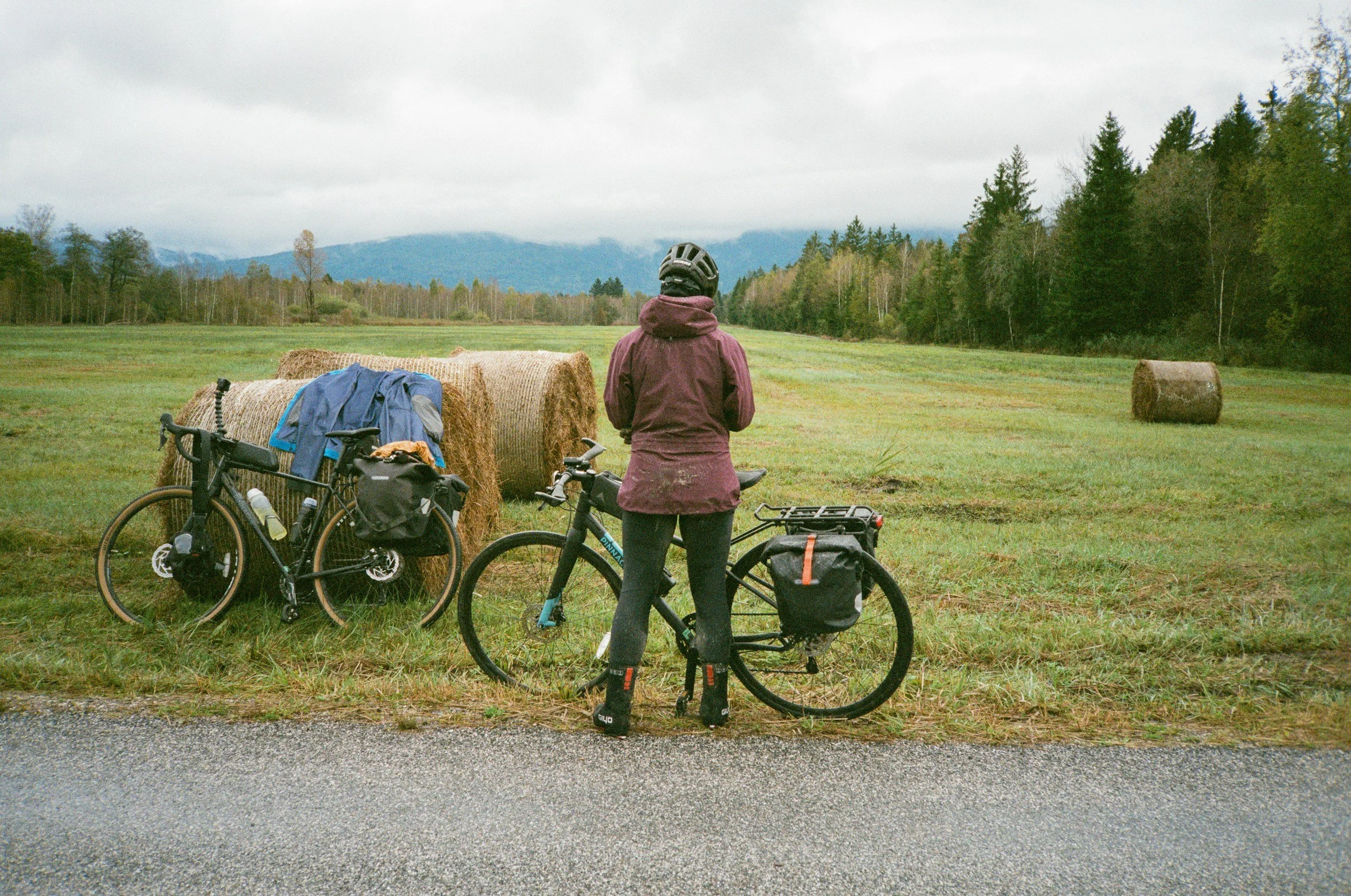
“You are one ride away from a good day.”
Voices of Hope and Healing
I’ve worked with several therapists over the years, and Dr. Cherrie stands out. She truly listens and takes the time to understand the whole person, not just the problem. Her guidance has helped me develop healthier habits and a much stronger sense of self.